 (+0090) 533-3664-662





Mechanical Hospital Beds
Mechanical hospital beds, also known as manual hospital beds, are among the most widely used patient care beds in healthcare facilities around the world. These beds operate without electric motors and rely on mechanical systems such as cranks, levers, and hydraulic mechanisms to adjust patient positions. Despite the rapid growth of electric and smart hospital beds, mechanical beds continue to play a vital role in hospitals, clinics, nursing homes, long-term care centers, and emergency facilities due to their reliability, affordability, and ease of maintenance.
Mechanical beds are especially valued in environments where simplicity, durability, and uninterrupted operation are critical. In facilities with limited access to electricity or where cost-efficiency is a priority, mechanical hospital beds remain a practical and dependable solution.
What Is a Mechanical Болнично легло?
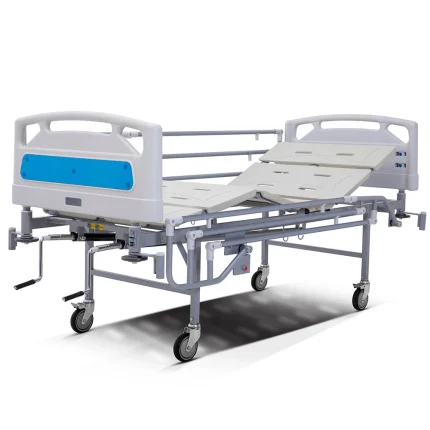
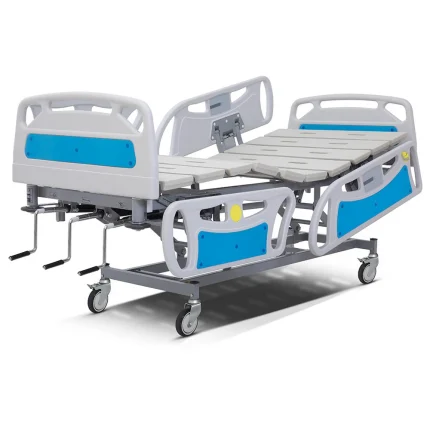
A mechanical hospital bed is a patient bed that allows position adjustments through manual mechanisms rather than electric motors. Common adjustments include backrest elevation, knee section movement, and in some models, height adjustment. These functions are typically controlled using hand cranks located at the foot or side of the bed frame.
Unlike electric beds, mechanical beds do not require power sources, control panels, or electrical components. This makes them highly resistant to power outages, electrical failures, and environmental conditions such as humidity or frequent washing.
Key Components of Mechanical Beds
Bed Frame and Structure
The frame of a mechanical hospital bed is usually made from high-strength steel with anti-corrosion coatings. This robust construction ensures long service life and high load-bearing capacity, making the bed suitable for a wide range of patients.
Manual Adjustment Mechanisms
Mechanical beds use gear systems, screw mechanisms, or hydraulic elements to adjust different bed sections. These systems are designed for smooth operation with minimal physical effort from caregivers.
Head and Knee Sections
Most mechanical beds allow independent adjustment of the head and knee sections. This enables proper patient positioning for comfort, respiratory support, feeding, and basic clinical care.
Side Rails
Side rails are essential safety components that prevent patient falls. Mechanical beds are commonly equipped with foldable or removable metal or ABS side rails.
Castors and Braking System
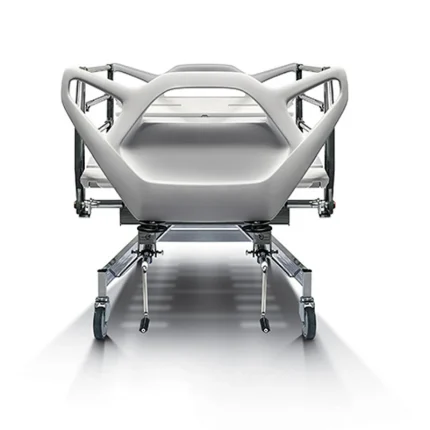
High-quality medical castors with central or individual brakes ensure safe mobility and secure positioning within hospital wards.
Types of Mechanical Hospital Beds
Single-Crank Mechanical Beds
These beds allow adjustment of only one section, typically the backrest. They are commonly used in basic care settings, temporary wards, and home care environments.
Two-Crank Mechanical Beds
Two-crank beds provide independent adjustment of the backrest and knee section. This type is widely used in general inpatient wards due to its balance between functionality and cost.
Three-Crank Mechanical Beds
Three-crank mechanical beds offer backrest, knee section, and height adjustment. They provide greater flexibility and improved caregiver ergonomics compared to simpler models.
Applications of Mechanical Hospital Beds
Mechanical beds are suitable for a broad range of healthcare applications, including:
- General inpatient wards
- Long-term care and rehabilitation centers
- Nursing homes and elderly care facilities
- Emergency and temporary medical units
- Home healthcare environments
- Rural or low-resource healthcare settings
Their independence from electricity makes them particularly valuable in emergency preparedness and disaster response scenarios.
Advantages of Mechanical Hospital Beds
Cost-Effectiveness
Mechanical beds are significantly more affordable than electric or ICU beds, making them ideal for large-scale hospital projects and budget-sensitive facilities.
High Reliability
With no electrical components, mechanical beds have fewer points of failure and can operate consistently over many years.
Low Maintenance Requirements
Maintenance is simple and inexpensive, usually limited to lubrication and inspection of mechanical parts.
Ease of Cleaning and Disinfection
The absence of motors and wiring allows for thorough cleaning and disinfection, supporting infection control protocols.
Power Independence
Mechanical beds function without electricity, ensuring uninterrupted patient care during power outages.
Limitations Compared to Electric Beds
While mechanical hospital beds offer many benefits, they also have certain limitations:
- Manual operation requires physical effort from caregivers
- Slower position adjustments compared to electric beds
- Limited advanced features such as trendelenburg positioning or integrated monitoring
For high-acuity environments such as ICUs, electric or specialized beds are generally preferred.
Mechanical Beds vs Electric Hospital Beds
Mechanical beds prioritize simplicity and durability, while electric beds focus on automation and advanced positioning. Choosing between them depends on clinical needs, budget, and infrastructure.
Mechanical beds are best suited for stable patients and long-term care, whereas electric beds are more appropriate for patients requiring frequent repositioning and advanced medical support.
Safety and Ergonomics
Modern mechanical hospital beds are designed with patient and caregiver safety in mind. Smooth crank mechanisms reduce strain on staff, while secure side rails and stable frames enhance patient protection.
Proper training of caregivers in using manual adjustment systems further improves safety and efficiency.
Mattress Compatibility
Mechanical hospital beds are compatible with a wide range of medical mattresses, including foam mattresses, anti-decubitus mattresses, and waterproof hospital mattresses. Selecting the right mattress is essential for patient comfort and pressure ulcer prevention.
Infection Control Considerations
Due to their simple design and minimal electronic components, mechanical beds can be thoroughly cleaned and disinfected. This makes them suitable for high-turnover wards where infection prevention is critical.
Use in Hospital Hoteling and General Wards
Mechanical hospital beds play a significant role in hospital hoteling concepts, where patient comfort, reliability, and cost-efficiency are prioritized. They are commonly used in general wards that do not require intensive monitoring.
Choosing the Right Mechanical Hospital Bed
When selecting a mechanical bed, healthcare providers should consider:
- Number of adjustment sections
- Weight capacity
- Compatibility with accessories
- Quality of mechanical components
- Ease of operation and maintenance
Accessories for Mechanical Beds
Mechanical beds can be equipped with various accessories, such as:
- IV poles
- Bedside tables
- Patient lifting poles
- Mattress platforms
- Bed extension frames
These accessories enhance functionality and patient comfort without compromising simplicity.
Durability and Long-Term Value
Mechanical hospital beds are built for long-term use in demanding environments. Their durable construction and straightforward design result in excellent long-term value and low total cost of ownership.
Role in Global Healthcare Systems
In many regions around the world, mechanical hospital beds remain the backbone of inpatient care. Their affordability and reliability support healthcare access in developing and remote areas.
Conclusion
Mechanical hospital beds continue to be an essential component of modern healthcare infrastructure. Their simplicity, reliability, and cost-effectiveness make them an ideal choice for general wards, long-term care, and hospital hoteling applications. While they may lack the advanced features of electric beds, mechanical beds excel in durability, safety, and uninterrupted operation, ensuring dependable patient care across diverse medical environments.



 English
  Turkish
  Romanian
  Bulgarian