 (+0090) 533-3664-662




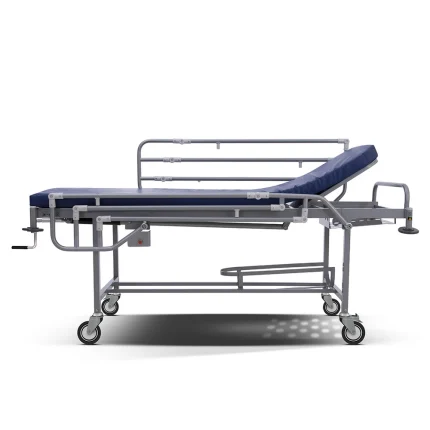
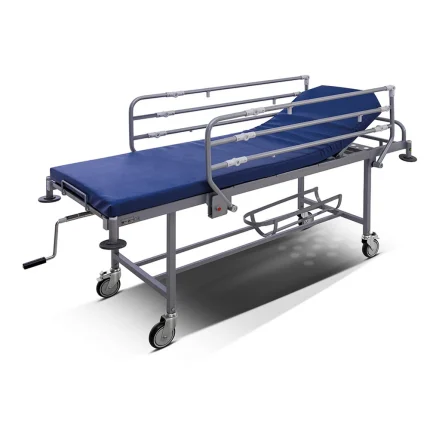


Носилка
Stretchers are essential medical transport devices designed for the safe and efficient movement of patients within healthcare environments. From emergency situations and trauma care to routine intra-hospital transfers, stretchers play a critical role in ensuring patient safety, comfort, and clinical efficiency. In hospitals, clinics, emergency departments, and diagnostic centers, a high-quality stretcher is not merely a transport tool but an integral part of patient care workflows.
Modern medical stretchers are engineered to meet the demanding needs of healthcare professionals while prioritizing patient stability and ergonomics. With advancements in materials, mechanical design, and safety systems, today’s stretchers provide superior maneuverability, durability, and adaptability across a wide range of medical scenarios.
What Is a Medical Stretcher?
A medical stretcher is a mobile patient support platform used to transport patients who are unable to walk or require continuous medical supervision. Stretchers are commonly used in emergency rooms, operating areas, imaging departments, and inpatient wards. Unlike hospital beds, stretchers are optimized for mobility, rapid response, and short- to medium-term patient positioning.
Stretchers are designed to accommodate patients during transport, examinations, or temporary holding periods. Their structure allows healthcare staff to move patients quickly and safely while maintaining proper body alignment and minimizing physical strain.
Importance of Stretchers in Healthcare Facilities
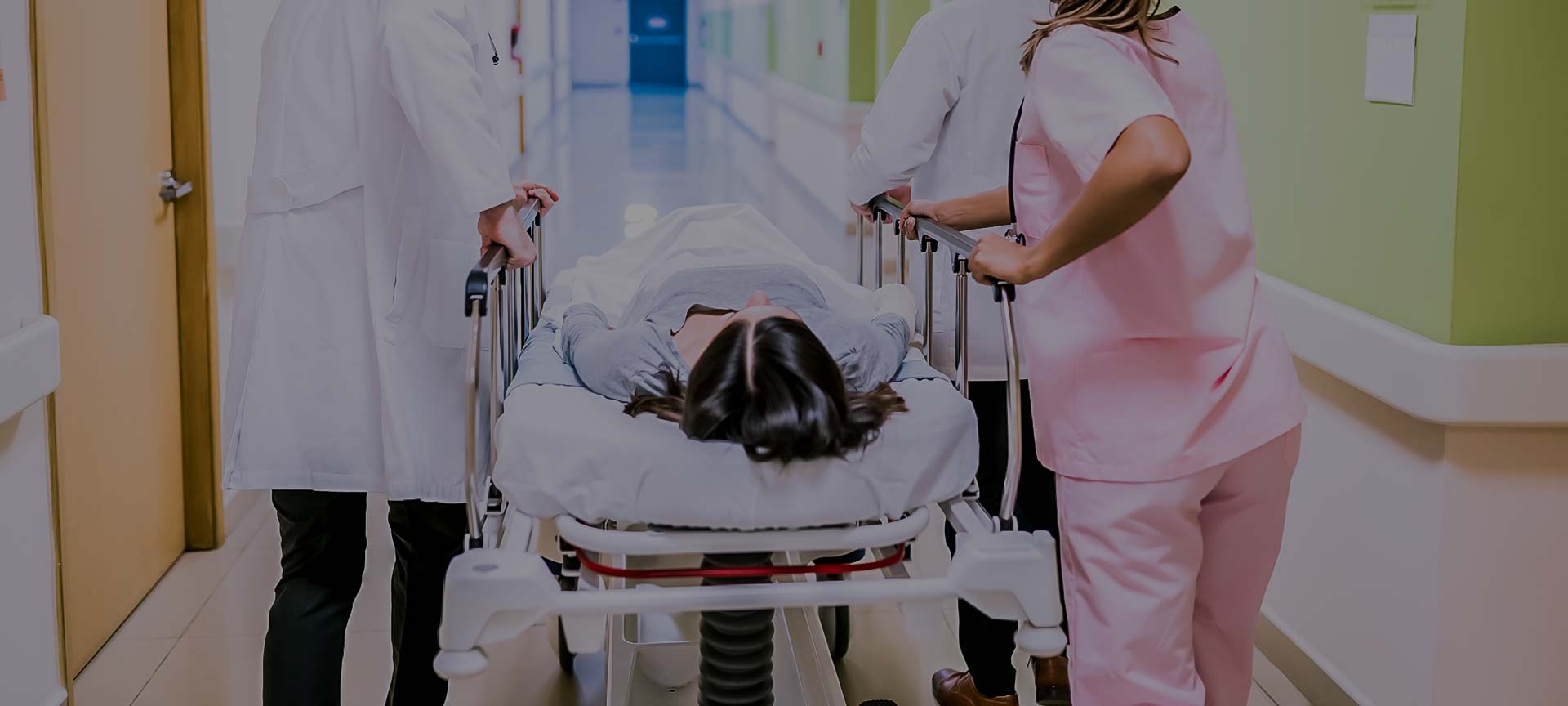
Stretchers are indispensable in modern healthcare systems. In emergency and critical care settings, rapid and safe patient transport can be life-saving. A well-designed stretcher enables smooth movement through corridors, elevators, and diagnostic rooms while ensuring patient stability at all times.
From an operational perspective, stretchers improve workflow efficiency by reducing transfer time and minimizing the need for manual lifting. For patients, they provide a secure and comfortable surface during stressful or painful moments, helping reduce anxiety and the risk of secondary injuries.
Types of Medical Stretchers
Medical stretchers are available in various designs, each tailored to specific clinical applications. Understanding these types helps healthcare facilities select the most suitable models for their needs.
Emergency Stretchers
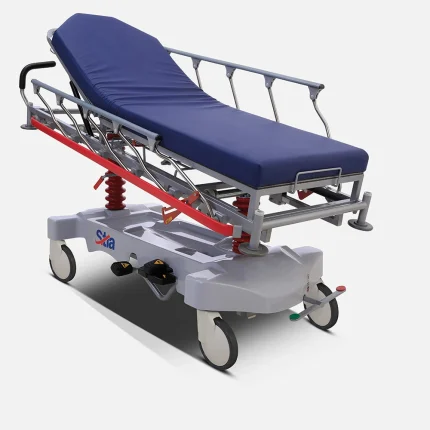
Emergency stretchers are designed for rapid response and high mobility. Commonly used in emergency departments and ambulances, these stretchers feature robust frames, large medical-grade wheels, and quick-adjust mechanisms. They are built to withstand intensive use while ensuring patient safety during urgent transport.
Patient Transfer Stretchers
Patient transfer stretchers are used for moving patients between hospital departments, such as from wards to imaging or operating rooms. These stretchers prioritize smooth maneuverability, adjustable height, and compatibility with hospital equipment.
Adjustable Height Stretchers
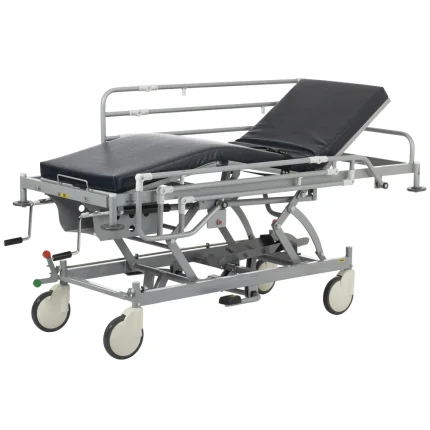
Adjustable height stretchers allow caregivers to raise or lower the patient platform, reducing physical strain during transfers and examinations. Height adjustment improves ergonomics for medical staff and enhances patient accessibility.
Specialized Stretchers
Specialized stretchers are designed for specific medical needs, such as bariatric patients, imaging procedures, or surgical preparation. These models may include reinforced structures, radiolucent surfaces, or additional safety features.
Key Components of a Medical Stretcher
A high-quality stretcher consists of several essential components that work together to ensure performance, safety, and longevity.
Frame and Structure
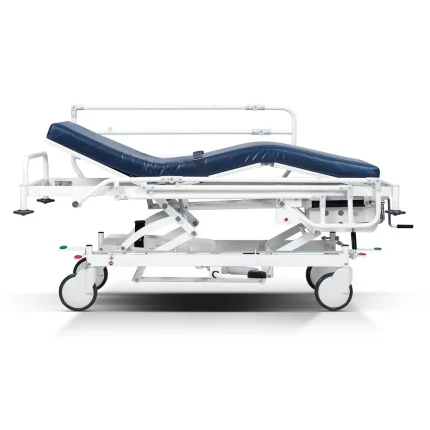
The stretcher frame forms the backbone of the device and must provide exceptional strength and stability. Typically constructed from high-grade steel or aluminum alloys, the frame is designed to support significant weight loads while remaining lightweight and corrosion-resistant.
Patient Platform and Mattress
The patient platform supports the mattress and may include sectional adjustments for head or back elevation. Stretchers are usually equipped with medical-grade mattresses made from high-density foam and covered with waterproof, antibacterial materials that allow easy cleaning and disinfection.
Side Rails
Side rails are critical safety features that prevent patient falls during transport. Modern stretchers use foldable or collapsible side rails that provide protection without obstructing access during transfers or procedures.
Casters and Mobility System
Medical stretchers are fitted with high-quality casters that ensure smooth movement and precise control. Large-diameter wheels improve stability over uneven surfaces, while central locking or directional locking systems enhance safety during stationary use or straight-line movement.
Braking and Steering Mechanisms
Reliable braking systems are essential to prevent unintended movement during patient loading or unloading. Advanced stretchers may include central brake pedals and steering controls for improved maneuverability in busy hospital environments.
Ergonomics and Caregiver Safety
Ergonomic design is a crucial aspect of modern stretcher development. Adjustable height mechanisms, intuitive control systems, and balanced weight distribution reduce physical strain on healthcare staff. By minimizing the need for manual lifting, stretchers help prevent musculoskeletal injuries among caregivers.
From a patient perspective, ergonomic features support proper body alignment and comfort during transport, contributing to a safer and more positive care experience.
Safety Standards and Compliance
Medical stretchers must comply with international safety and quality standards to ensure reliable performance in clinical environments. Compliance with recognized medical equipment regulations guarantees that stretchers meet strict requirements for load capacity, stability, material safety, and mechanical durability.
Key safety considerations include secure side rail locking, dependable braking systems, smooth edges, and non-toxic materials. Adherence to these standards ensures patient protection and long-term operational reliability.
Materials and Infection Control
Infection control is a top priority in healthcare facilities, making material selection critical in stretcher design. Surfaces must be resistant to disinfectants, bodily fluids, and frequent cleaning cycles. Seamless construction, antibacterial coatings, and removable components facilitate effective hygiene practices.
Well-designed stretchers support hospital infection prevention protocols and help reduce the risk of cross-contamination between patients.
Accessories and Optional Features
Medical stretchers can be equipped with a variety of accessories to enhance functionality and adaptability. Common options include IV poles, oxygen cylinder holders, patient straps, and accessory rails. These additions allow stretchers to be customized for different clinical situations without compromising safety or mobility.
Choosing the Right Stretcher
Selecting the appropriate stretcher depends on several factors, including the intended clinical application, patient weight capacity, space constraints, and frequency of use. Healthcare facilities should consider ease of maneuverability, durability, maintenance requirements, and compatibility with existing hospital infrastructure.
Investing in high-quality stretchers improves patient safety, enhances staff efficiency, and reduces long-term operational costs. A reliable stretcher is a fundamental asset in delivering effective and responsive patient care.
Stretcher Solutions for Modern Healthcare
As healthcare environments continue to evolve, the demand for advanced, durable, and ergonomic stretchers grows. Modern stretcher solutions integrate thoughtful design, high-quality materials, and safety-focused engineering to meet the challenges of today’s medical facilities.
By choosing well-designed medical stretchers, hospitals and clinics can ensure safe patient transport, improved caregiver workflow, and a higher standard of care across all departments.
Conclusion
Stretchers are a cornerstone of patient mobility and emergency response in healthcare facilities. Their role extends beyond simple transportation, contributing directly to patient safety, comfort, and clinical efficiency. With a wide range of stretcher types, features, and customization options available, selecting the right stretcher is a strategic decision for any medical institution.
A high-quality medical stretcher supports reliable performance, infection control, and ergonomic operation, making it an essential investment for hospitals, clinics, and medical centers committed to delivering professional and compassionate care.



 English
  Turkish
  Romanian
  Bulgarian