 (+0090) 533-3664-662







Hastane Yatakları
Hospital beds are among the most critical pieces of medical furniture in any healthcare facility. They are not merely places for patients to rest; rather, they are integrated medical platforms designed to support diagnosis, treatment, recovery, and long-term care. From general inpatient wards to specialized clinical environments, hospital beds play a central role in patient comfort, safety, and clinical efficiency. Choosing the right hospital bed directly affects patient outcomes, caregiver workflow, and overall healthcare quality.
In modern healthcare systems, hospital beds have evolved far beyond traditional static frames. Today’s beds incorporate advanced mechanical and electrical systems, ergonomic designs, infection-control materials, and modular accessories that adapt to a wide range of medical needs. This category explores hospital beds in depth, examining their functions, types, components, materials, safety standards, and the key factors that hospitals and medical centers should consider when selecting them.
The Role of Hospital Beds in Patient Care
Hospital beds serve as the primary environment where patients spend most of their time during hospitalization. As such, their design must support both physical comfort and medical functionality. A well-designed hospital bed reduces patient stress, minimizes the risk of complications such as pressure ulcers, and allows healthcare professionals to perform their duties efficiently.
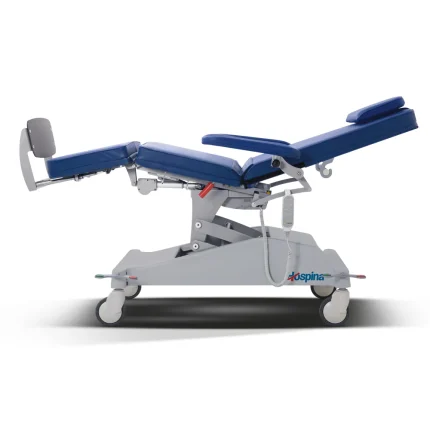
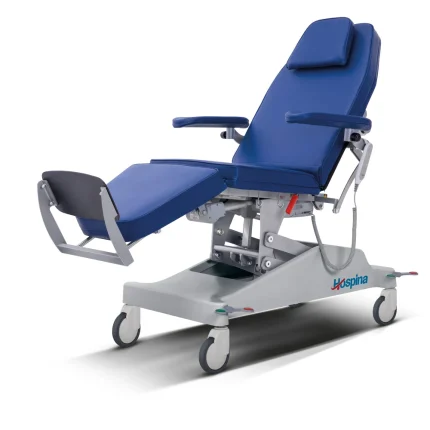
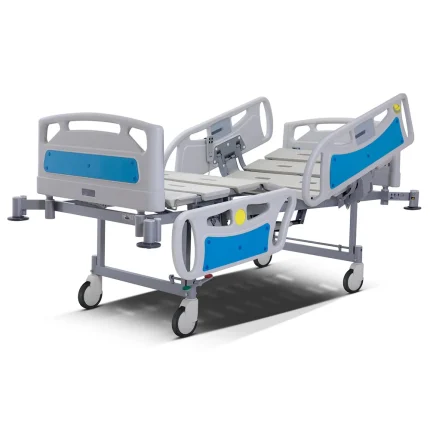
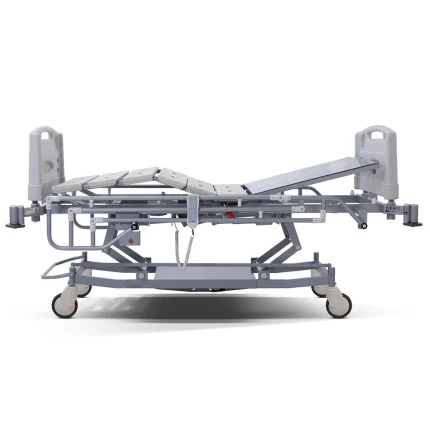
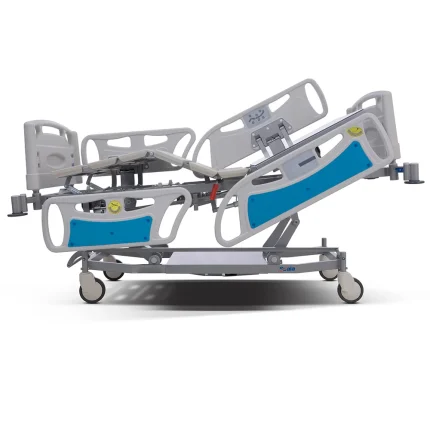
From a clinical perspective, hospital beds enable proper patient positioning for examinations, treatments, medication administration, and recovery. Adjustable sections allow elevation of the head, legs, or entire bed height, helping manage conditions such as respiratory distress, cardiovascular problems, mobility limitations, and post-surgical recovery. For caregivers, adjustable beds reduce physical strain and improve access to patients, ultimately enhancing safety for both staff and patients.
In addition, hospital beds contribute significantly to infection prevention and control. Surfaces must be easy to clean and disinfect, resistant to moisture and chemicals, and designed to minimize dirt traps or bacteria-harboring crevices. In high-traffic hospital environments, these factors are essential for maintaining hygiene standards.
Types of Hospital Beds
Hospital beds are available in various types, each designed to meet specific clinical and operational requirements. Understanding these categories helps healthcare facilities choose the most suitable options for their wards.
Manual Hospital Beds
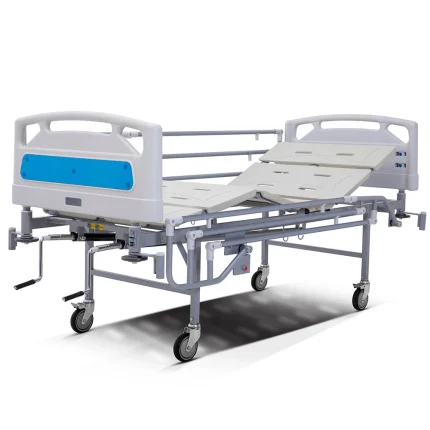
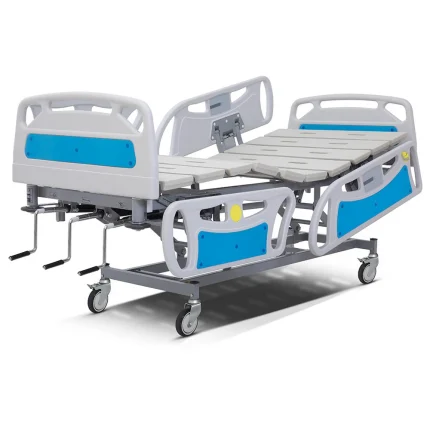
Manual hospital beds are operated using mechanical hand cranks to adjust the head, foot, or height of the bed. These beds are typically used in facilities with limited budgets or in wards where advanced positioning is not frequently required. While manual beds are cost-effective and mechanically reliable, they require physical effort from caregivers and may not be ideal for high-dependency patients.
Semi-Electric Hospital Beds
Semi-electric hospital beds combine electric motors for adjusting the head and foot sections with manual height adjustment. This hybrid design offers improved patient comfort compared to fully manual beds while maintaining lower costs than fully electric models. Semi-electric beds are commonly used in general wards where moderate adjustability is sufficient.
Fully Electric Hospital Beds
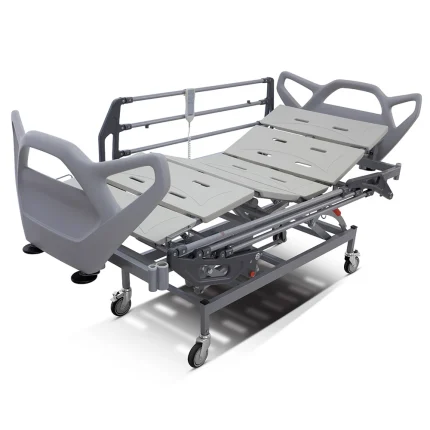
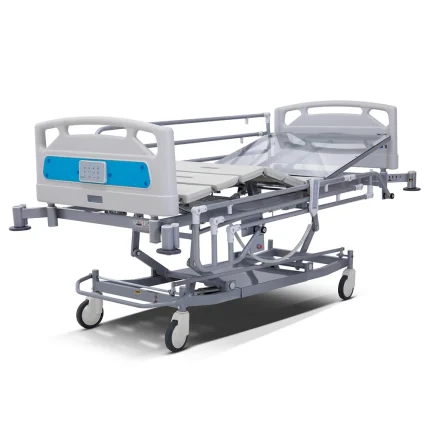
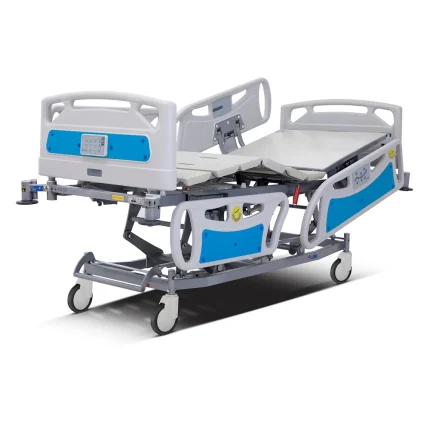
Fully electric hospital beds provide complete motorized control of bed height, head elevation, and leg positioning. These beds are operated using hand controls or integrated control panels, allowing both patients and caregivers to adjust positions easily and precisely. Fully electric beds enhance patient independence, reduce caregiver workload, and are widely used in modern hospitals.
Specialized Hospital Beds
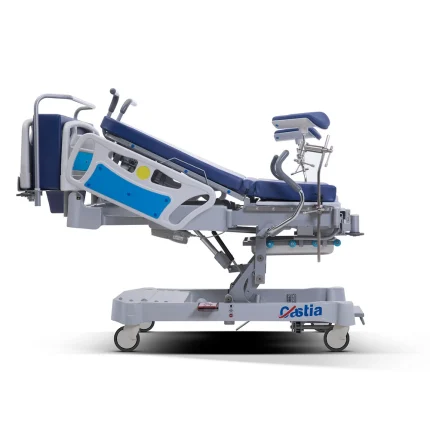
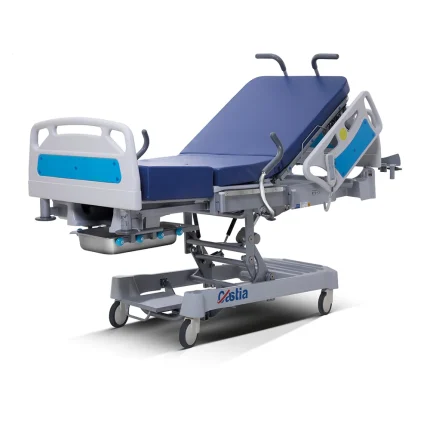
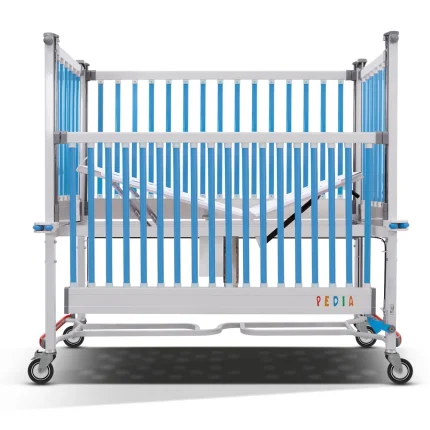
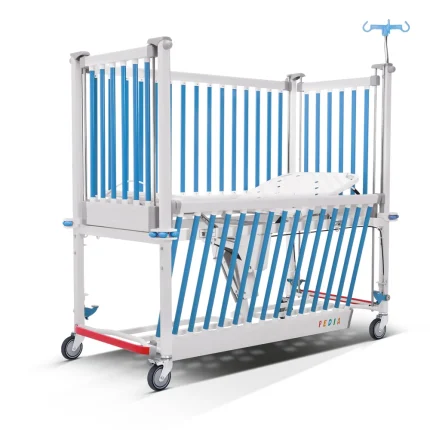
In addition to standard inpatient beds, there are specialized hospital beds designed for specific medical needs. These include bariatric beds for overweight patients, pediatric beds for children, and beds designed for long-term care or rehabilitation. Each specialized bed incorporates unique structural and functional features to ensure safety, comfort, and clinical effectiveness.
Key Components of a Hospital Bed
A hospital bed consists of several essential components, each contributing to its overall performance and reliability.
Bed Frame and Structure
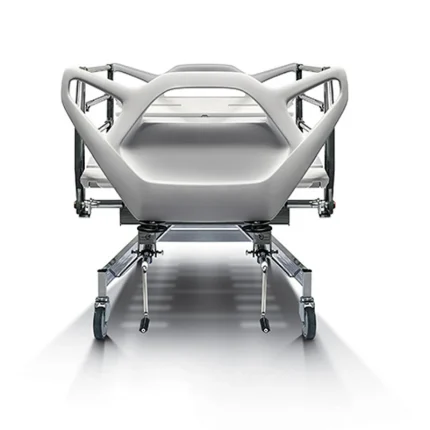
The frame forms the foundation of the hospital bed and must provide exceptional strength and stability. Typically made from high-quality steel or aluminum alloys, the frame is designed to support significant weight loads while maintaining structural integrity over years of use. Anti-corrosion coatings and smooth finishes protect the frame from damage caused by cleaning agents and environmental factors.
Mattress Platform
The mattress platform supports the mattress and allows sectional movement. It is usually divided into multiple segments to enable head, back, and leg adjustments. Perforated or mesh designs are often used to improve ventilation and reduce moisture buildup, contributing to patient comfort and hygiene.
Mattress
The mattress is a critical component that directly affects patient comfort and pressure distribution. Hospital mattresses are typically made from high-density foam or specialized pressure-relief materials. They are covered with waterproof, antibacterial, and breathable covers that can be easily cleaned and disinfected.
Side Rails
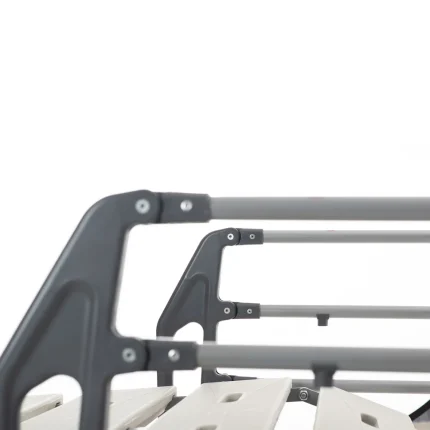
Side rails enhance patient safety by preventing accidental falls and providing support during repositioning or transfers. Modern hospital beds feature foldable or collapsible side rails that allow easy access when needed. Rails are designed to be sturdy yet ergonomic, ensuring they do not cause discomfort or injury.
Casters and Braking System
Hospital beds are equipped with medical-grade casters that allow smooth movement within the ward. High-quality braking systems ensure the bed remains stable when stationary, which is essential during patient transfers or medical procedures.
Ergonomics and Patient Comfort
Patient comfort is a central consideration in hospital bed design. Ergonomic features help maintain natural body alignment, reduce muscle strain, and support proper circulation. Adjustable head and leg sections allow patients to find comfortable positions for resting, eating, reading, or receiving treatment.
Advanced hospital beds may include features such as auto-contour positioning, which synchronizes back and knee movements to prevent patient sliding and reduce pressure on the lower back. These ergonomic innovations contribute to faster recovery and improved patient satisfaction.
Safety Features and Standards
Safety is a non-negotiable aspect of hospital bed design. Beds must comply with international medical equipment standards and regulations to ensure safe operation in clinical environments.
Key safety features include:
Secure locking mechanisms for side rails
Reliable braking systems
Electrical safety protections in motorized beds
Smooth edges and rounded corners to prevent injury
Compliance with recognized standards ensures that hospital beds perform reliably under demanding conditions and provide a safe environment for patients and healthcare professionals alike.
Materials and Infection Control
Hospital beds are exposed to frequent cleaning and disinfection, making material selection crucial. Surfaces must resist chemicals, moisture, and wear while maintaining a clean appearance. Antibacterial coatings, seamless joints, and removable components support effective infection control practices.
In modern healthcare settings, infection prevention is a top priority. Hospital beds designed with hygiene in mind help reduce the risk of cross-contamination and contribute to safer patient care.
Accessories and Customization Options
Hospital beds can be customized with a wide range of accessories to meet specific clinical needs. Common accessories include IV poles, overbed tables, patient lifting systems, and adjustable headboards or footboards. Modular designs allow facilities to adapt beds for different patients without replacing the entire unit.
Customization enhances flexibility and ensures that hospital beds remain functional across various departments and patient conditions.
Choosing the Right Hospital Bed
Selecting the right hospital bed requires careful consideration of multiple factors, including patient population, clinical requirements, budget, and long-term maintenance. Facilities should evaluate the level of adjustability needed, expected patient weight ranges, ease of cleaning, and availability of spare parts or technical support.
Investing in high-quality hospital beds is a long-term decision that directly impacts patient care quality and operational efficiency. Reliable beds reduce maintenance costs, improve staff workflow, and enhance patient comfort and safety.
Conclusion
Hospital beds are far more than basic furniture; they are essential medical devices that support healing, safety, and efficiency within healthcare facilities. With advancements in technology, ergonomics, and materials, modern hospital beds are designed to meet the complex demands of today’s medical environments.
By understanding the different types of hospital beds, their components, safety features, and customization options, healthcare providers can make informed decisions that improve patient outcomes and elevate the standard of care. In any hospital or medical center, the right hospital bed is a foundation for quality healthcare and a vital investment in patient well-being.



 English
  Turkish
  Romanian
  Bulgarian