 (+0090) 533-3664-662


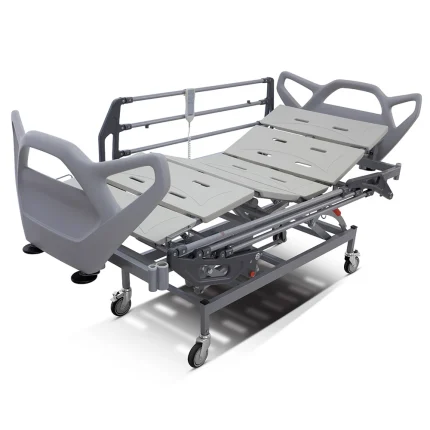
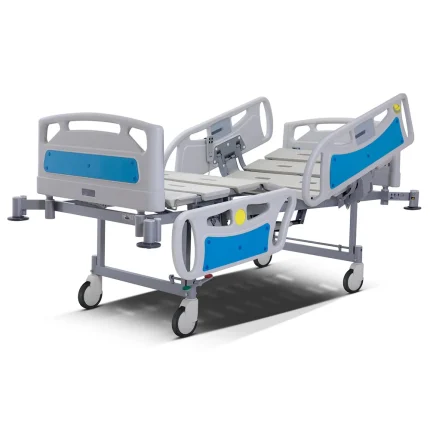

Electric Hospital Beds
Electric hospital beds represent one of the most important advancements in modern inpatient care. Designed to combine medical functionality, patient comfort, and operational efficiency, electric beds have become a standard solution in hospitals, clinics, rehabilitation centers, and long-term care facilities. Unlike manual or semi-electric alternatives, electric hospital beds use motorized systems to provide precise, effortless adjustments that support both patients and healthcare professionals.
In today’s healthcare environments, where patient safety, ergonomic care, and workflow optimization are critical, electric hospital beds play a central role. They are not simply furniture items, but fully integrated medical devices that contribute directly to clinical outcomes, caregiver efficiency, and overall quality of care.
What Is an Electric Hospital Bed?
An electric hospital bed is a motor-driven medical bed designed to allow smooth and accurate adjustment of various bed positions through an electrical control system. These beds typically enable independent control of height, backrest, and leg sections using a hand control or integrated control panel.
Electric hospital beds are primarily used in inpatient wards where patients require frequent repositioning, assistance with mobility, or extended periods of bed rest. By eliminating the need for manual cranks, electric beds reduce physical strain on caregivers and empower patients with greater independence.
Importance of Electric Hospital Beds in Modern Healthcare
Electric hospital beds have become essential in modern healthcare due to their impact on patient comfort, safety, and staff efficiency. Patients who experience limited mobility, post-surgical recovery, or chronic conditions often require frequent changes in position. Electric beds make these adjustments smooth, precise, and comfortable.
From a caregiver perspective, electric beds significantly reduce the physical demands associated with patient handling. Height adjustment allows nurses and medical staff to work at ergonomic levels, minimizing the risk of back injuries and musculoskeletal disorders. This leads to safer working conditions and improved care delivery.
In addition, electric hospital beds support better clinical positioning, which can help prevent complications such as pressure ulcers, respiratory difficulties, and circulatory issues.
Types of Electric Hospital Beds
Electric hospital beds are available in several configurations, each designed to meet specific clinical and operational needs. Understanding these types helps healthcare facilities select the most appropriate solutions.
Fully Electric Hospital Beds
Fully electric hospital beds offer complete motorized control over all major bed functions, including height, head elevation, and leg positioning. These beds are operated via a hand control that can be used by patients or caregivers.
Fully electric beds are widely used in general inpatient wards due to their ease of use, reliability, and versatility. They provide maximum comfort for patients and significantly improve workflow efficiency for healthcare staff.
Electric Beds for General Inpatient Wards
Electric beds designed for general wards focus on durability, safety, and cost-effective performance. These beds are built to handle continuous use while maintaining simple operation and low maintenance requirements. Features such as side rails, central braking systems, and medical-grade casters ensure safety and mobility.
Specialized Electric Hastane Yatakları
Some electric hospital beds are designed for specific patient groups or clinical needs. These may include bariatric electric beds with higher load capacity, pediatric electric beds with enhanced safety features, or long-term care beds optimized for extended patient stays.
Key Components of an Electric Hospital Bed
A high-quality electric hospital bed consists of several critical components, each contributing to its overall performance, safety, and longevity.
Bed Frame and Structure
The bed frame forms the foundation of the electric hospital bed. It must provide exceptional strength, stability, and resistance to mechanical stress. Frames are typically constructed from high-grade steel or aluminum alloys and coated with durable finishes to protect against corrosion and cleaning chemicals.
Motor and Actuation System
The motor system is the core of an electric hospital bed. Medical-grade electric motors control bed height, backrest, and leg movements with precision and reliability. These motors are designed for quiet operation, smooth motion, and long service life under frequent use.
Control System
Electric hospital beds are operated using hand controls or integrated control panels. These controls are designed to be intuitive, easy to clean, and resistant to moisture. Some beds allow patient control, while others include lockout functions to ensure safety when necessary.
Mattress Platform
The mattress platform supports sectional movement and proper weight distribution. It is often divided into multiple segments to allow synchronized motion of the back and legs. Perforated or ventilated designs improve airflow and reduce moisture buildup.
Mattress
Hospital mattresses used with electric beds are designed for pressure redistribution and patient comfort. They are usually made from high-density foam or specialized pressure-relief materials and covered with waterproof, antibacterial, and breathable surfaces.
Side Rails
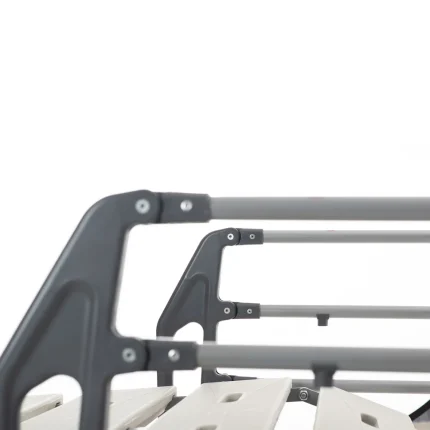
Side rails are essential safety components that prevent patient falls and provide support during repositioning. Electric hospital beds typically feature foldable or telescopic side rails that combine strength with ease of access.
Casters and Braking System
Medical-grade casters allow smooth bed movement within wards. Central or individual braking systems ensure stability when the bed is stationary, particularly during patient transfers or medical procedures.
Ergonomics and Patient Comfort
Patient comfort is a primary objective in electric hospital bed design. Adjustable positioning allows patients to find comfortable postures for resting, eating, reading, or receiving care. Head elevation supports respiratory function, while leg elevation can improve circulation and reduce swelling.
Advanced electric beds may feature auto-contour functions that synchronize back and knee movements, reducing pressure on the lower back and preventing patient sliding. These ergonomic features contribute to improved comfort, reduced pain, and faster recovery.
Safety Features of Electric Hastane Yatakları
Safety is a fundamental requirement for electric hospital beds. These beds are designed to protect patients and caregivers during daily use.
Common safety features include secure side rail locking mechanisms, overload protection for motors, emergency lowering functions, and smooth edges to prevent injury. Electrical systems are designed to meet medical safety standards, ensuring safe operation in demanding healthcare environments.
Infection Control and Hygiene
Electric hospital beds are exposed to frequent cleaning and disinfection, making infection control a critical design consideration. Surfaces must be easy to clean, resistant to disinfectants, and designed to minimize bacteria-harboring areas.
Seamless construction, removable components, and antibacterial coatings support effective infection prevention protocols. Properly designed electric beds help healthcare facilities maintain high hygiene standards and reduce the risk of cross-contamination.
Materials and Build Quality
The materials used in electric hospital beds directly affect durability, hygiene, and long-term performance. High-quality steel, aluminum, and medical-grade plastics are commonly used to ensure strength and resistance to wear.
Finishes are selected to withstand repeated cleaning while maintaining a professional appearance. Attention to material quality ensures that electric beds remain reliable and visually intact over years of use.
Accessories and Compatibility
Electric hospital beds can be enhanced with a wide range of accessories to meet specific clinical needs. Common accessories include IV poles, overbed tables, patient lifting aids, and adjustable headboards or footboards.
Accessory compatibility allows healthcare facilities to adapt electric beds for different patients without replacing the entire unit. Modular designs increase flexibility and extend the functional lifespan of the bed.
Applications of Electric Hospital Beds
Electric hospital beds are widely used across general inpatient wards, rehabilitation units, long-term care facilities, and specialty departments. Their versatility makes them suitable for patients with varying medical conditions and mobility levels.
In general wards, electric beds support routine care and recovery. In long-term care environments, they provide comfort and ease of use for extended stays. Their adaptability makes them a valuable asset across multiple healthcare settings.
Choosing the Right Electric Hastane yatağı
Selecting the appropriate electric hospital bed requires careful evaluation of clinical needs, patient population, and operational requirements. Key factors include load capacity, adjustability range, ease of cleaning, and availability of technical support.
Healthcare facilities should also consider long-term maintenance, spare part availability, and compliance with recognized medical standards. Investing in high-quality electric beds ensures reliable performance and improved patient care over time.
Electric Hospital Beds and Healthcare Efficiency
Electric hospital beds contribute significantly to overall healthcare efficiency. By reducing manual handling, they lower the risk of staff injuries and decrease absenteeism. Improved patient comfort and positioning can lead to faster recovery and shorter hospital stays.
From an operational standpoint, electric beds streamline daily workflows and support consistent care delivery, making them a strategic investment for modern healthcare facilities.
Conclusion
Electric hospital beds are a cornerstone of modern inpatient care. Combining advanced motorized technology with ergonomic design, safety features, and hygienic materials, these beds support both patient well-being and caregiver efficiency.
As healthcare environments continue to evolve, electric hospital beds remain essential tools for delivering high-quality, safe, and efficient care. By choosing reliable and well-designed electric bed solutions, hospitals and medical centers can enhance patient outcomes and build stronger, more effective care environments.



 English
  Turkish
  Romanian
  Bulgarian