 (+0090) 533-3664-662


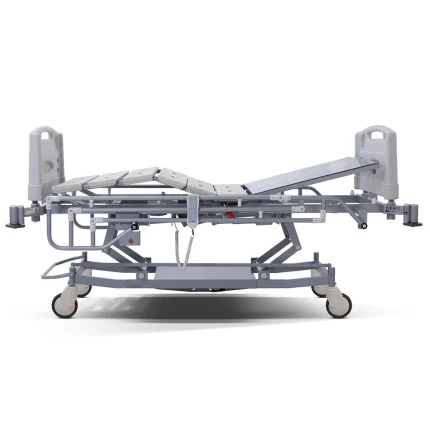
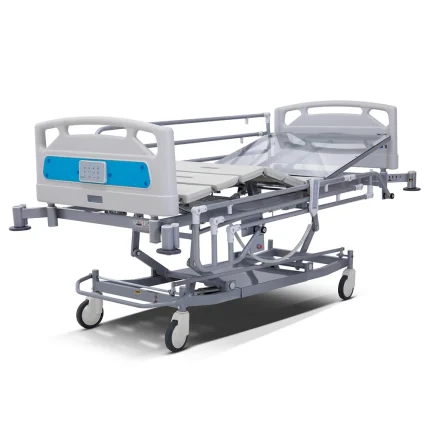
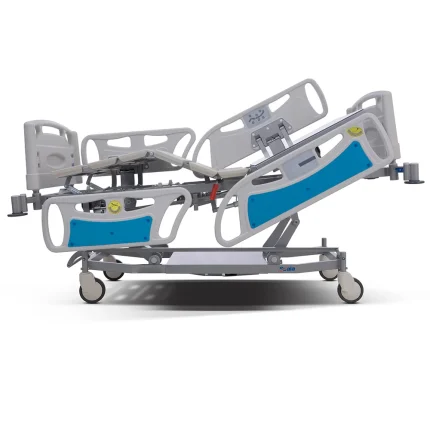
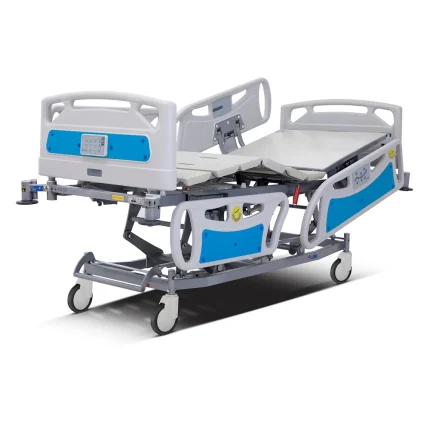
ICU & CCU Beds
ICU and CCU beds represent the most advanced category of hospital beds, specifically engineered for critical and intensive care environments. These beds are designed to support patients with life‑threatening conditions who require continuous monitoring, advanced medical interventions, and the highest level of safety and comfort. In intensive care units (ICU) and coronary care units (CCU), the hospital bed is not merely a place for rest—it is a central clinical platform that integrates patient positioning, life‑support compatibility, and caregiver efficiency.
Modern ICU/CCU beds combine sophisticated electrical systems, ergonomic design, and infection‑control‑focused materials to meet the extreme demands of critical care. Their role extends far beyond basic patient support, directly influencing clinical outcomes, workflow optimization, and patient safety in high‑risk medical environments.
What Are ICU and CCU Beds?
ICU (Intensive Care Unit) and CCU (Coronary Care Unit) beds are specialized medical beds designed for patients who require constant medical supervision, advanced monitoring, and complex therapeutic procedures. These beds are used for patients with severe trauma, respiratory failure, cardiac conditions, post‑operative complications, or other critical illnesses.
Unlike standard inpatient beds, ICU/CCU beds are equipped with advanced motorized positioning, integrated safety systems, and compatibility with a wide range of medical devices such as ventilators, cardiac monitors, infusion pumps, and dialysis equipment. Their design prioritizes rapid access to the patient, precise positioning, and uninterrupted care delivery.
The Role of ICU/CCU Beds in Critical Care
In critical care settings, every detail matters. ICU and CCU beds play a vital role in stabilizing patients, supporting complex treatments, and enabling healthcare professionals to respond quickly to changing clinical conditions.
Precise positioning functions help optimize respiratory mechanics, cardiac performance, and circulation. Height adjustability allows caregivers to work at ergonomic levels, reducing fatigue and minimizing the risk of injury. Advanced safety features protect vulnerable patients who may be unconscious, sedated, or unable to reposition themselves.
By serving as a central hub for patient care, ICU/CCU beds contribute directly to improved clinical efficiency, reduced complications, and enhanced patient outcomes.
Key Differences Between ICU/CCU Beds and Standard Hospital Beds
ICU and CCU beds differ significantly from general inpatient beds in terms of functionality, complexity, and performance requirements.
While standard hospital beds are designed primarily for comfort and basic care, ICU/CCU beds are engineered for intensive medical intervention. They offer a wider range of positioning options, higher load capacities, and advanced electronic systems. Additionally, their structural design allows seamless integration with life‑support equipment and continuous monitoring systems.
These differences make ICU/CCU beds indispensable in high‑acuity environments where patient conditions can change rapidly and require immediate response.
Core Features of ICU & CCU Beds
Advanced Motorized Positioning
ICU/CCU beds are equipped with multi‑motor systems that allow precise control of bed height, backrest, leg section, and overall patient positioning. Functions such as Trendelenburg and reverse Trendelenburg positioning are essential for managing shock, respiratory distress, and cardiovascular conditions.
Advanced positioning capabilities enable caregivers to adjust patient posture quickly and accurately, supporting both routine care and emergency interventions.
Integrated Control Systems
Modern ICU/CCU beds feature intuitive control systems accessible to both patients (when appropriate) and medical staff. Controls may be integrated into side rails, foot panels, or handsets, allowing rapid adjustments without disrupting care.
Lockout functions are often included to prevent accidental operation and enhance patient safety in critical situations.
Patient Safety Systems
Patient safety is paramount in intensive care. ICU/CCU beds incorporate advanced side rails, secure locking mechanisms, and anti‑entrapment designs to protect patients who may be disoriented or immobile.
Many models also include alarm systems that alert staff to changes in bed position, patient exit attempts, or unsafe conditions.
Structural Design and Load Capacity
ICU and CCU beds are built with reinforced frames designed to support higher weight capacities and continuous use. High‑strength steel or aluminum alloys provide stability and durability, even under demanding conditions.
The robust construction ensures that the bed remains stable during complex procedures, patient repositioning, and the use of heavy medical equipment. Structural reliability is critical in critical care environments where equipment failure is not an option.
Mattress Platforms and Pressure Management
Pressure management is a crucial consideration for critically ill patients who may remain in bed for extended periods. ICU/CCU beds are designed to accommodate advanced medical mattresses, including pressure‑relief and anti‑decubitus systems.
The mattress platform is often segmented and ventilated to support airflow, reduce moisture accumulation, and enhance patient comfort. Proper pressure distribution helps prevent pressure ulcers and supports long‑term patient well‑being.
Infection Control and Hygiene Standards
Infection control is a top priority in intensive and coronary care units. ICU/CCU beds are designed with smooth surfaces, sealed joints, and minimal crevices to reduce the risk of bacterial accumulation.
Materials used in these beds must withstand frequent cleaning with strong disinfectants without degradation. Removable components and modular designs further support effective cleaning and maintenance protocols.
By facilitating strict hygiene practices, ICU/CCU beds contribute to reduced infection rates and safer patient environments.
Mobility and Accessibility in Critical Care
Despite their advanced features and robust construction, ICU/CCU beds must remain mobile and accessible. Medical‑grade casters with central locking and steering functions allow controlled movement within the unit when patient transport is required.
Easy access to all sides of the bed enables caregivers to perform procedures efficiently and respond quickly to emergencies. Thoughtful design ensures that mobility does not compromise stability or patient safety.
Compatibility with Medical Equipment
ICU and CCU beds are designed to integrate seamlessly with a wide range of critical care equipment. Compatibility with ventilators, monitors, infusion pumps, and imaging devices is essential for uninterrupted patient care.
Accessory rails, mounting points, and cable management systems help organize equipment around the bed, reducing clutter and improving workflow efficiency. This integration supports a safer and more organized care environment.
Ergonomics and Caregiver Efficiency
Critical care environments place significant physical and mental demands on healthcare professionals. ICU/CCU beds are designed with ergonomics in mind, enabling caregivers to perform tasks comfortably and efficiently.
Height adjustability, intuitive controls, and smooth repositioning functions reduce physical strain and allow staff to focus on patient care rather than equipment limitations. Improved ergonomics contribute to reduced injury rates and better overall staff performance.
Applications of ICU & CCU Beds
ICU and CCU beds are used in intensive care units, coronary care units, post‑operative recovery areas, and other high‑dependency clinical settings. Their versatility allows them to support a wide range of medical conditions and treatment protocols.
From short‑term critical interventions to extended intensive care stays, these beds provide reliable support across diverse clinical scenarios.
Choosing the Right ICU or CCU Bed
Selecting the appropriate ICU or CCU bed requires careful evaluation of clinical requirements, patient population, and unit layout. Key factors include positioning capabilities, load capacity, infection control features, and compatibility with existing medical equipment.
Healthcare facilities should also consider long‑term maintenance, availability of technical support, and compliance with international medical standards. Investing in high‑quality ICU/CCU beds ensures reliable performance and supports high‑quality critical care delivery.
ICU/CCU Beds and Quality of Care
High‑quality ICU and CCU beds contribute significantly to the overall quality of critical care. By supporting precise positioning, patient safety, and efficient workflows, these beds help reduce complications and improve patient outcomes.
In demanding clinical environments where every second counts, reliable ICU/CCU beds serve as essential tools for delivering life‑saving care.
Conclusion
ICU and CCU beds are among the most sophisticated and essential components of modern healthcare facilities. Designed to meet the extreme demands of critical and coronary care, these beds integrate advanced technology, robust construction, and safety‑focused design.
By investing in well‑engineered ICU/CCU bed solutions, hospitals and medical centers can enhance patient safety, support healthcare professionals, and maintain the highest standards of critical care. These beds are not merely equipment—they are foundational platforms for life‑saving treatment and clinical excellence.



 English
  Turkish
  Romanian
  Bulgarian